pro
Basic Histology
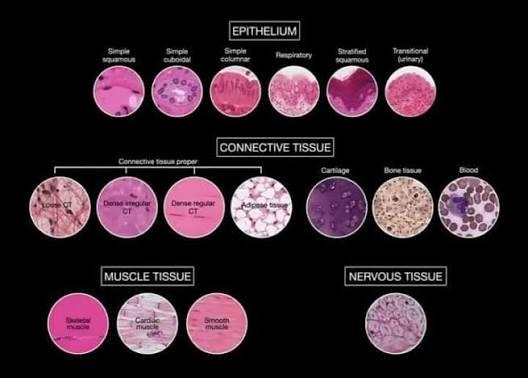
The four basic tissue types and the cell biology that distinguishes them, the foundation for reading any organ's microscopic anatomy.
5 topics40 concepts
Start for free and upgrade when you need deeper explanations and advanced study tools.
Explore how MedSch.Learn works.
From UGX 10,000 / semester
Unlock full curriculum and advanced study tools.
From UGX 25,000 / semester
Access a personal AI tutor and tailored guidance.
Every domain is organized into topics and concepts so you always know what to learn next.
The four basic tissue types and the cell biology that distinguishes them, the foundation for reading any organ's microscopic anatomy.
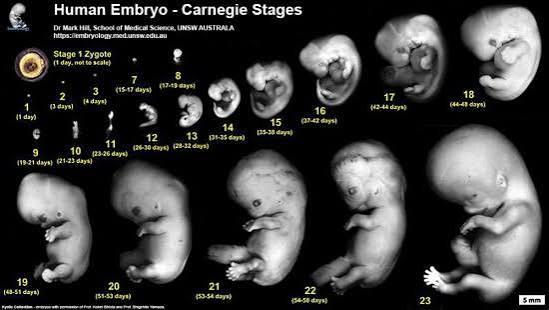
The first eight weeks of development, including fertilisation, gastrulation, and the folding events that lay down the body's basic plan, and how errors at each stage produce recognisable congenital anomalies.
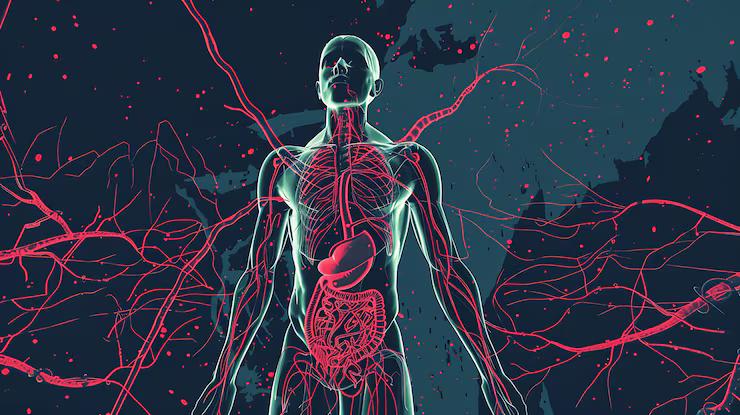
The core principles, including homeostasis, membrane transport and cell signalling, that every organ system's physiology is built from.
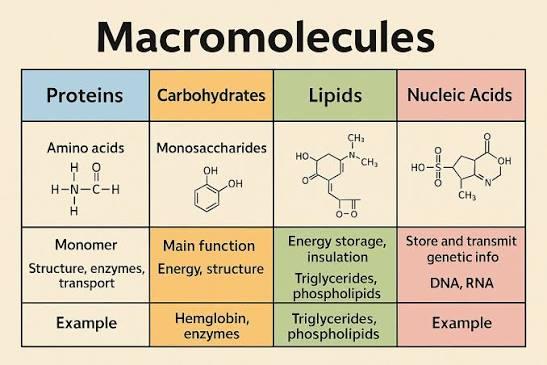
The chemistry of proteins, carbohydrates, and lipids, namely structure, folding, and function, and how a change at the molecular level produces a change at the bedside.
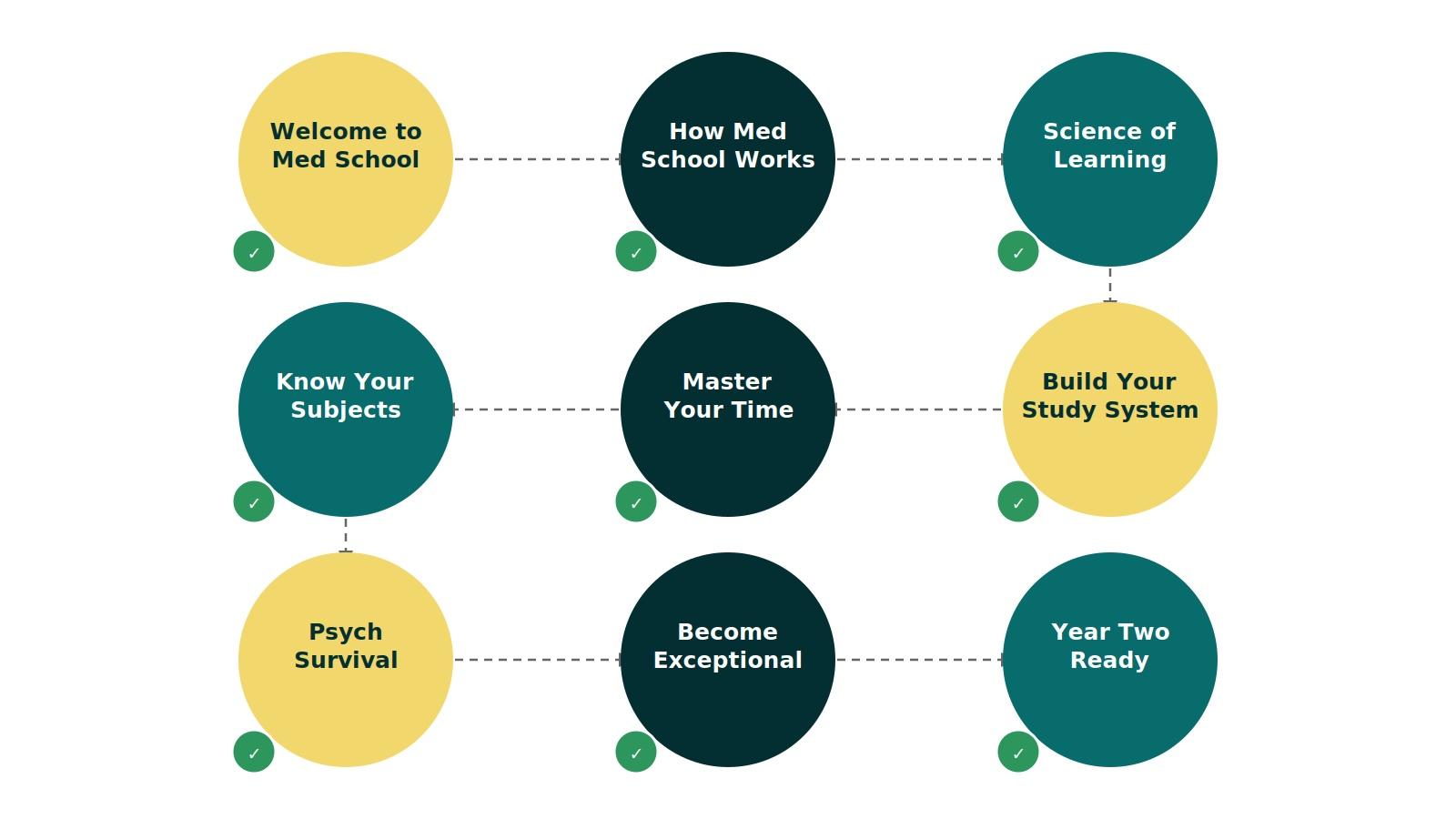
A narrative walkthrough of first-year medical school, covering what to expect, how to study, and how to survive the transition.
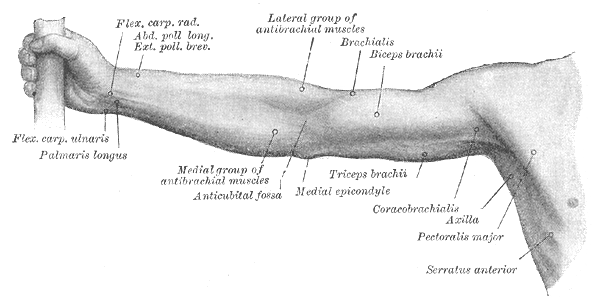
The bones, muscles, vessels, and nerves of the shoulder, arm, forearm, and hand, and how injury or compression at each level produces a distinct, localisable clinical picture.
“Starting medical school was overwhelming. MedSch.Learn gave me a clear roadmap and showed me exactly what to study every week.”
Precious K.
Year 4 Medical Student
“I use MedSch.Learn to review Pathology and Pharmacology before exams. Everything I need is in one place.”
David M.
Year 2 Medical Student
“The AI tutor explains difficult concepts in a way that makes them easy to remember. My revision is much more efficient.”
Sarah N.
Final Year Medical Student